In the Crevice of Thoughts and Making 2025-2026
Contributor
Final_No_More_Editing (2)
Informal Infrastructure, what does it intend to allude to? How does it control movement and systems? Infrastructure instructs and behaves in a quiet yet active manner. I envision infrastructure as a means of inspection. People pass between them, rely on them, and at times, they are everywhere to the point that it seems to disappear.
The infrastructure of Liberia, my birth country, is largely informal, but there is a language within that very condition of ingenuity. This language is embedded in the social and political fabric of Liberia as a whole and is the quiet agent of individual power. Making-do isn’t just a necessity for Liberians, but a way in which things are sorted, considered, constructed, handled, and repaired. Routines in these spaces become shy symbols and loud messages. I view these as moments of investment, particularly in their process, forms, and my artistic alteration.
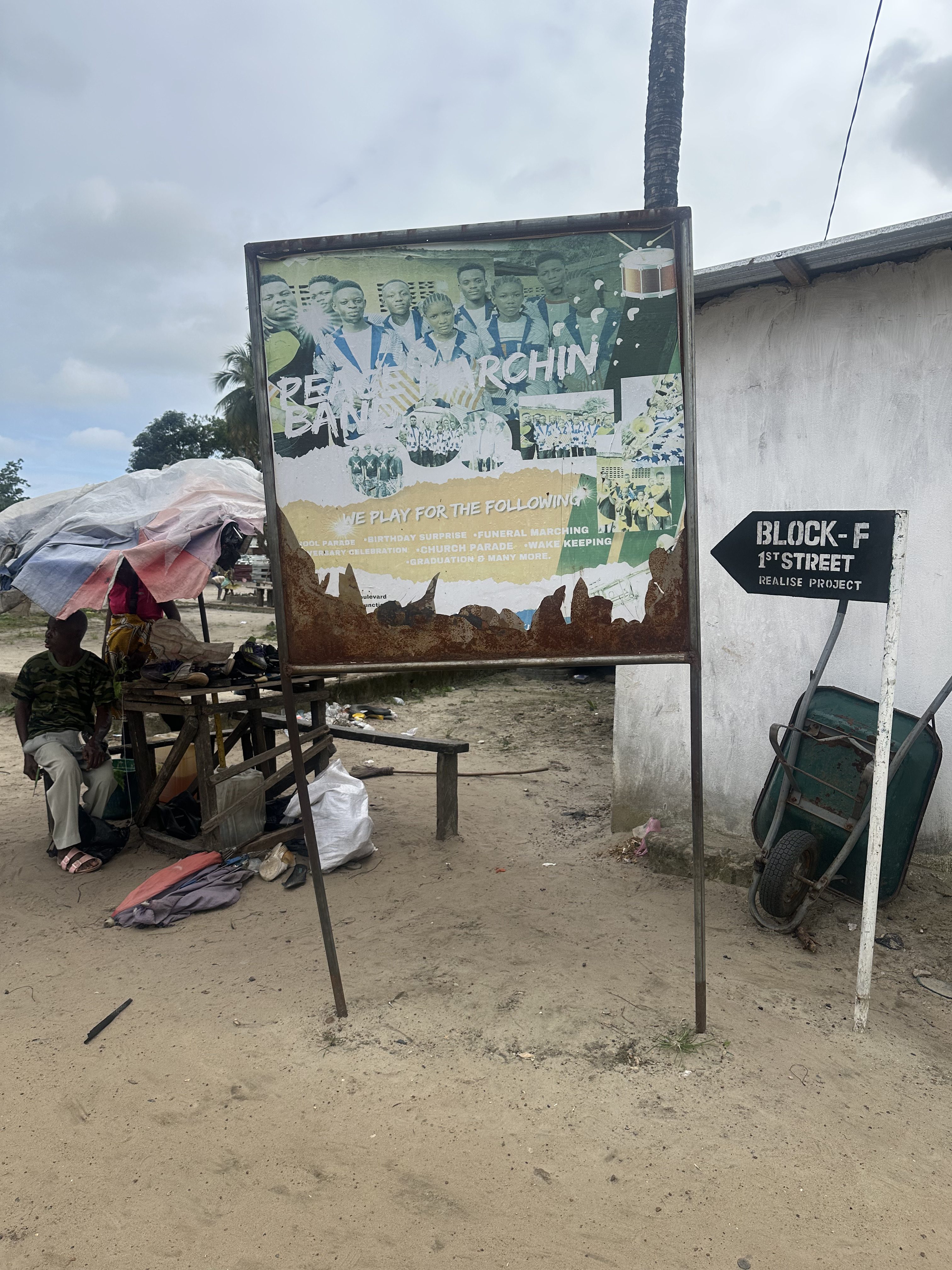
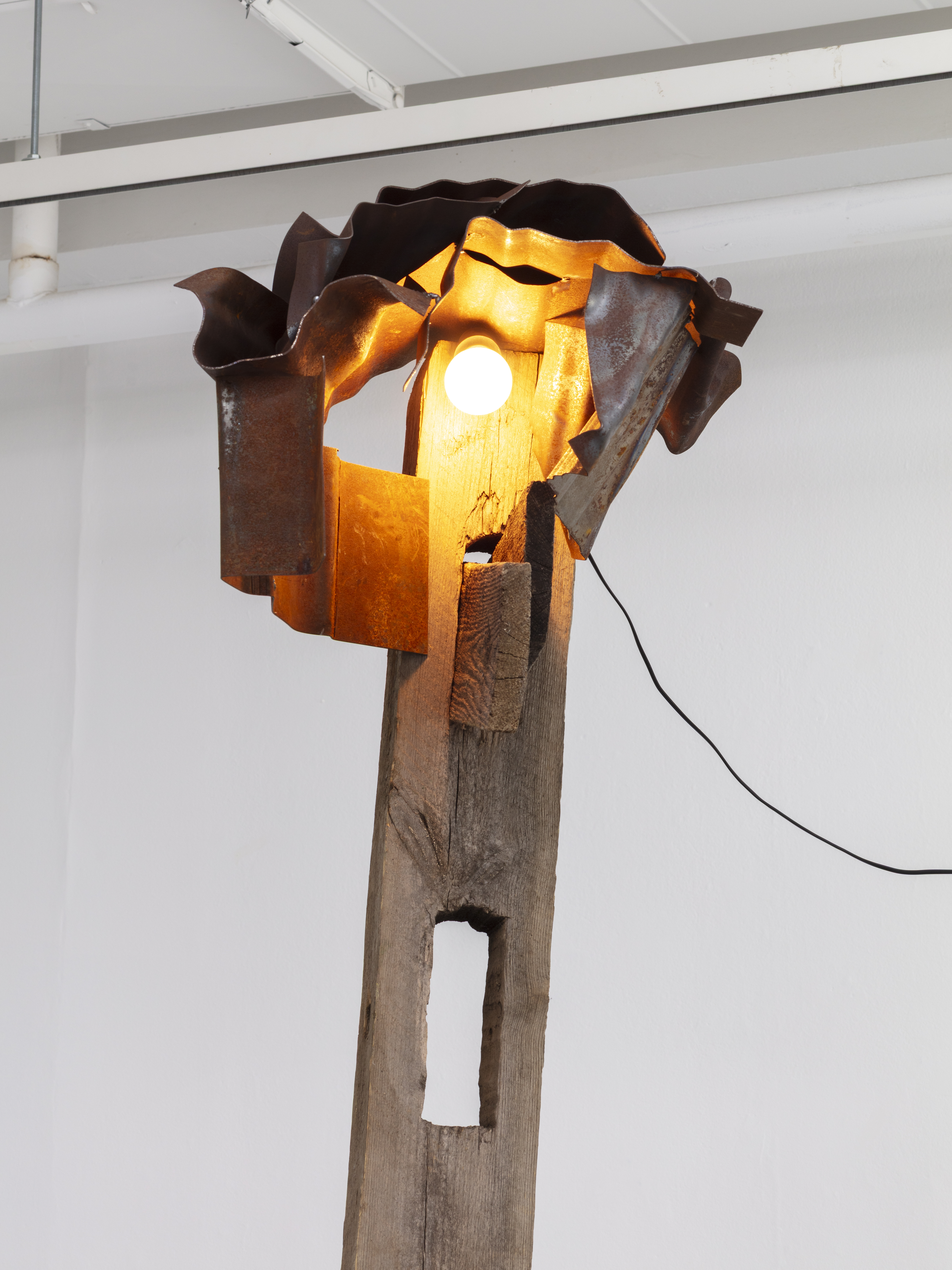
Furthermore, I am invested in Liberia’s material culture and in how objects interact with space and viewership when placed far from their original context. Questions such as: What does it even mean to transport a place elsewhere? What details does it make visible? What detail is stripped along the journey? What becomes identifiable and familiar to me then speaks another language. It then behaves uncontrollably and questions the environment in which it inhabits, curating, and evoking questions and commentary. Vernacular architecture is a symbol of my connection to place-making—a gateway. Objects such as informal communal light posts, used and broken generators, informal rusted corrugated roofs, and ephemeral environmental sound are all starting points. These objects do not simply represent place, they act as informal systems, structuring attention, movement and experience. They are all fragmented memory journeys that I follow.
Being home, I realized there is a constant gesture of repair, care, and attentiveness to objects. Things are not fixed completely; they are put together just enough. This gesture made me reflect on other aspects of life, prompting me to turn the questions back on myself. How does it mirror my yearning for Liberia—a relationship I am also constantly repairing and devoting care and attention to, even as it is always shifting and reconfiguring itself? It isn’t something fixed, but rather always changing and moving around. As I wrestle with this, I find myself asking: what is repair? How do I understand it? What does it mean for me to see something as repaired?
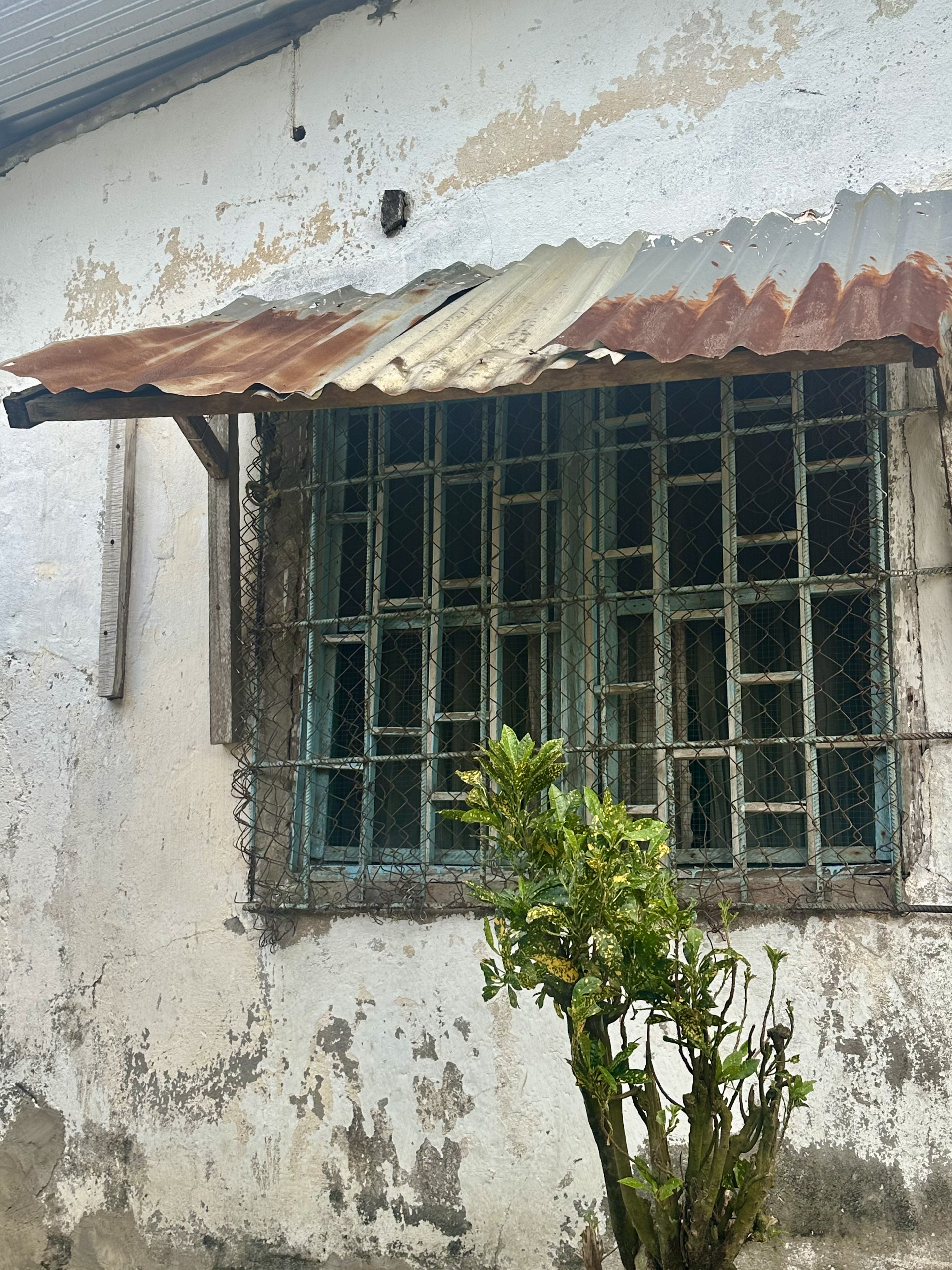
Repair, as I come to realize, isn’t about fixing an object to its original state of being or ending its status of brokenness. What interests me instead is persistence: an act of revisiting or returning to a moment that has already slipped away. Each attempt becomes less about functionality and more about feeling—the desire or hope to relive an experience I’m very distanced from. In this sense, repair is not a resolution but a ritualistic rehearsal, perhaps a way to chase a memory of connection through material remains or a fractured skeleton.
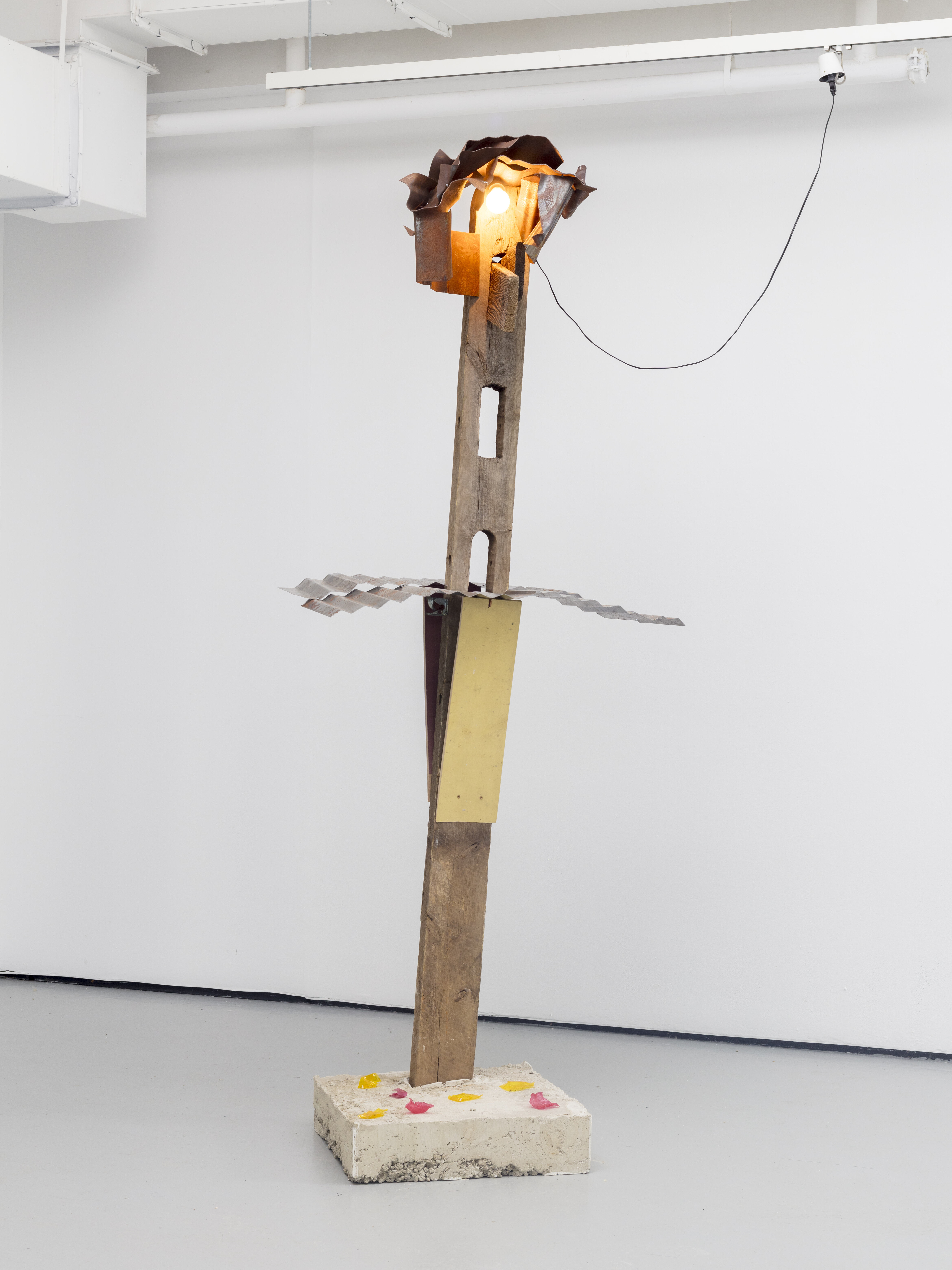
In the studio, I have been thinking about Keller Easterling’s writing and her concepts of Active Form and Disposition. Although used in her own vein to describe architectural systems, they also make me wonder about their connection to art in its simplest sense and the ways they converse with the infrastructural sculptures I create. Her idea of Disposition reveals how an object influences its surroundings—how it affects. Others indirectly without direct communication. The light post sculpture created in this exhibition, for example, flickers. Its pacing shifts, and its rhythms mimic a heartbeat. Within it is an unregulated system in which the lights communicate with something or someone—perhaps a message not meant to be fully understood, leaving a space for us to wonder.
In the same way that my process of making creates a language, another is concealed from us within the light. What does it mean? What does it entail when objects are created to do something on their own after some time? What sovereignty does it produce? What disposition does it embody?
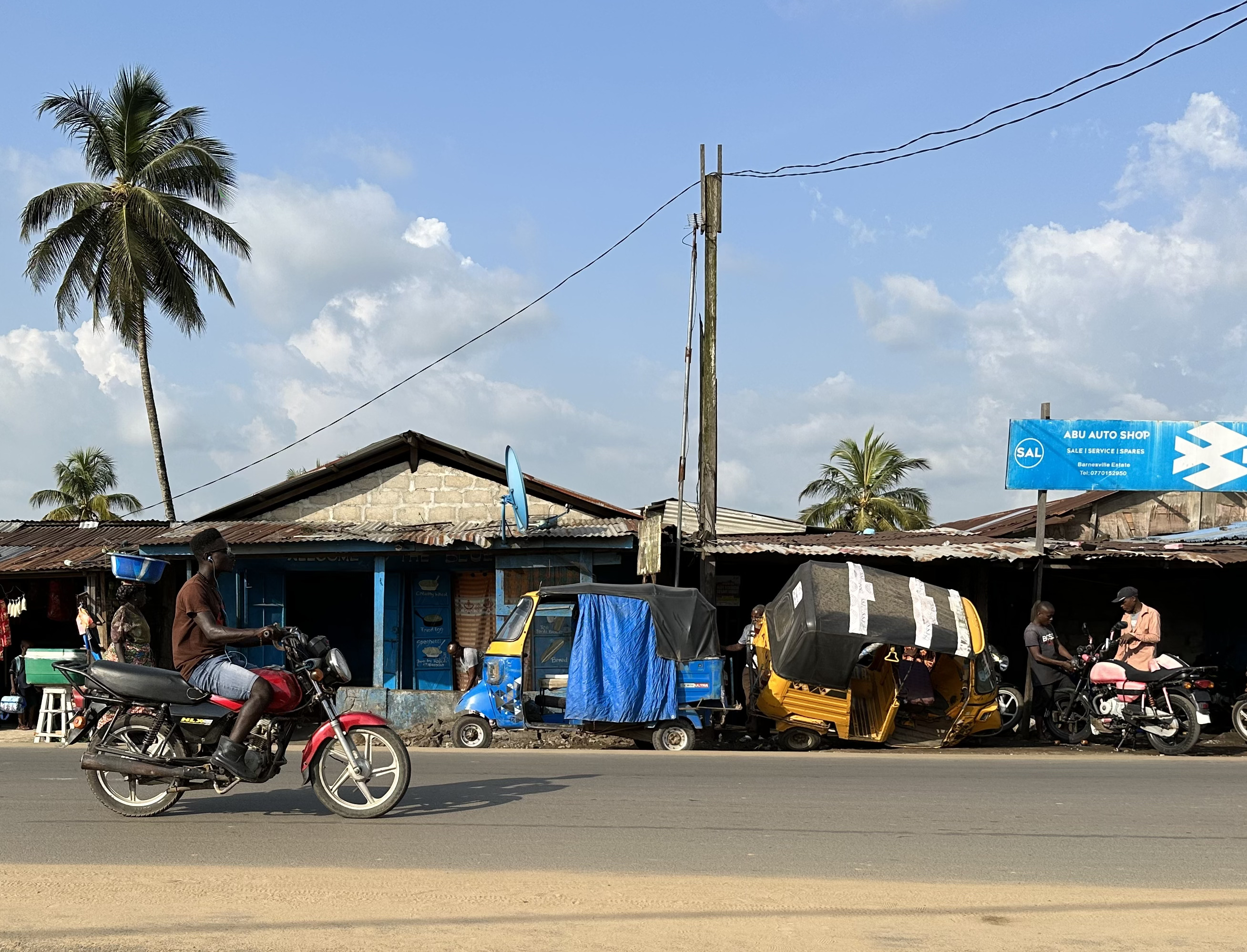
Ideas take a long time to be born, and when they are, they take one year to walk on their own before they can think and speak. Nevertheless, creativity is not about making something brand new, but about forming a fresh combination of familiar elements around the studio. That may be when amazing things begin to grow and blossom.
I have been thinking about Sound. Sound is an ambiguous medium: it moves through space, creating an unpredicted encounter between the audience and the work. I stumble across certain sounds through secondary sources, which, for me, creates a distance between the material and myself. Additionally, once the sound is altered after my engagement, that distance extends even further before meeting the audience. During that encounter, they engage differently; some become further confused, others excited. Either way, just because they feel anything makes the work work.
Sound cannot be possessed and owned, and so it blurs the lines of authorship. The audience’s entry into the space changes the artwork; each person’s experience makes it different, adding another layer to the overall piece. I think of sound as a form of informal architecture, similar to how buildings guide movement, shape interactions, and influence concepts of proximity and distance. For instance, when the sound is quiet, we tend to move closer; when it grows loud, we instinctively retreat or cover our ears. In any case, we can agree that it alters our movement, gestures, or mood.
What does it mean for something informal as sound to have the power to control us or even compel us to pause and give of ourselves? Does that make Sound manipulative and controlling? Assertive and demanding? What kind of agency exists when sound spills out and overflows? Sound is never neutral; it can capture a moment or construct a new space from within another. Sound holds a moment, then lets it go. How do we locate something that is always shifting? It raises questions about legitimacy and ownership that, for me, parallels my existence as a diaspora individual. Does it feel closer because it is near, or because clarity itself creates intimacy?
Notes on images:
A collection of images that have pushed me in directions of creation, leaving me the room to reflect on why they mean more than images, but more so as sources of hope that keeps me making. They were jumping-off points for the works you all are writing in the exhibition space—works that reflect my interests and my lifelong effort to bridge the gap between my host and home countries. Art is a collaborative journey; like a rock rolling down the street, it gathers traces of its surroundings, which in turn shape its path.